



The main aim of the Institute is to conduct basic, industrial and experimental development research, as well as to widely disseminate the results of such activities through teaching, publication and transfer of knowledge.
An innovative approach to the transfer of knowledge between academia and industry shows MIMT as an elite research unit in Poland. The main area of activity in which the MIMT operates is veterinary medicine, molecular biology and biotechnology. Our mission is also to educate young scientists, at MIMT research work is carried out by Polish and foreign doctoral students and graduate students.
OUR GOALS
Conducting independent and continuous research and development works enables the achievement of the assumed goals through:
01
Publishing research results in prestigious scientific journals
02
Publishing scientific achievements in the international arena
03
Popularization of science by organizing lectures, seminars, symposia, conferences and training
04
Implementation of research projects and research tasks from domestic and foreign funds, in particular in the form of research grants
05
Establishing international relations and creating consortia with other research groups
06
Cooperation with government administration and local government institutions
„Science determines development”
We adhere to the principle that “science determines development”, and thanks to this, through a number of innovative molecular and biotechnological solutions developed by our team, we want to develop advanced therapeutic strategies targeted at both small and large animals. The International Institute of Translational Medicine is synonymous with interdisciplinarity, which allows the development of advanced, cross-disciplinary biomedical solutions based on modern therapeutic strategies using stem cells, implantable materials or advanced molecular diagnostics.
The MIMT team was established in order to develop therapies in the field of theranostics, regenerative medicine and translational medicine, so that the scientific results developed by our team serve the treatment of both animals and humans in the future.
We have developed several proprietary regenerative therapies to improve animal welfare around the world.
BOARD OF DIRECTORS

Dr Inż. Malwina Mularczyk
CHAIRMAN OF THE BOARD
Chairman of the Board at International Institute of Translational Medicine (MIMT). Malwina Mularczyk specializes in industrial biotechnology, with particular emphasis on the development of innovative horse feed additives, based mainly on metabolites of probiotic bacteria, as well as obtaining and purifying carotenoids with increased antioxidant activity from yeast cells. She has developed the recipe and production technology for over 30 animal products available on the market. She cooperated with the Wrocław Technology Park, where she belonged to an international scientific consortium dealing with the commercialization of biomarkers (BIC, Interreg Baltic Sea). Malwina Mularczyk cooperates with scientists from UC Davis in California, Boehringer Ingelheim in Germany, the University of Giessen in Germany, the National Institute of Medicines and entrepreneurs from Poland, Germany, Switzerland and Saudi Arabia. She completed the PARP Innovation Manager Academy training and the prestigious Regional and National I corps course in the USA, where, as a member of the Mebiotech Lcc Team, she implemented lines of supplementation products on the American market.
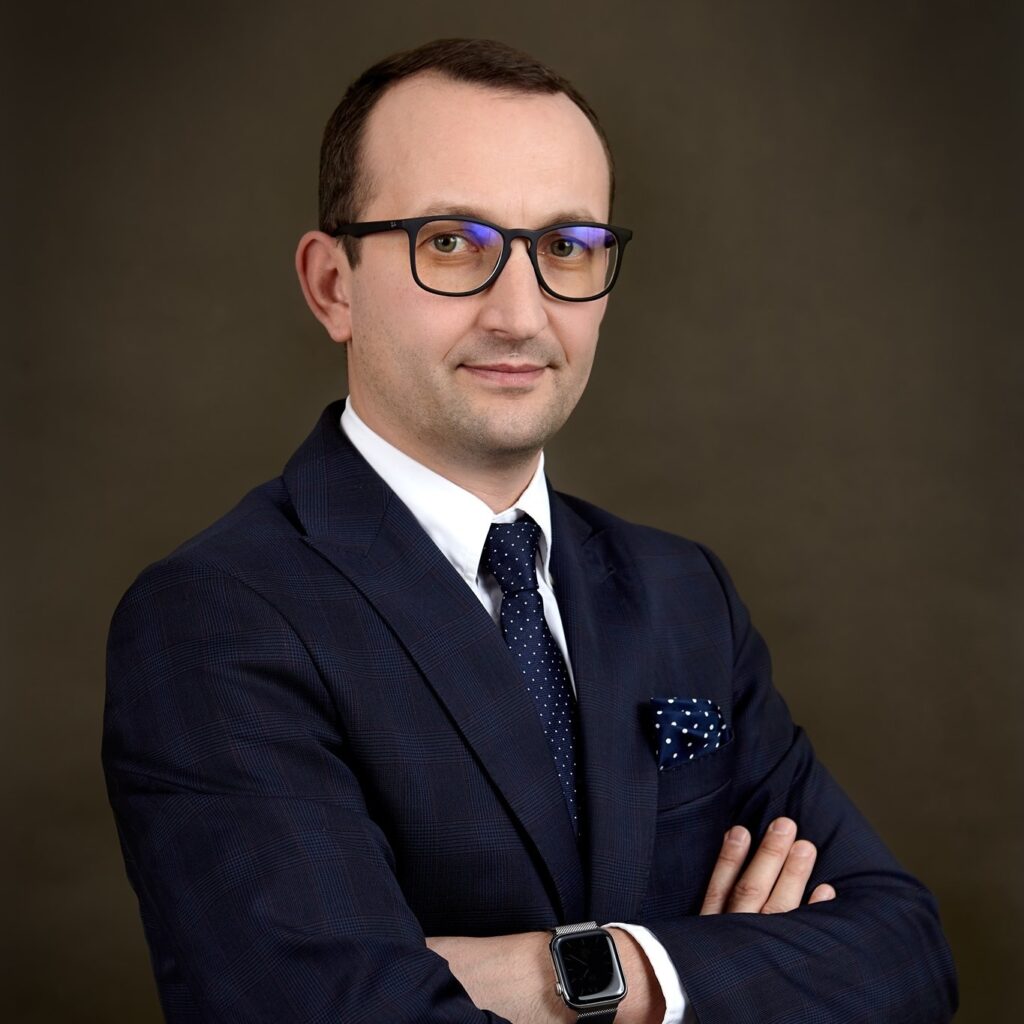
Prof. dr hab. Krzysztof Marycz
GENERAL DIRECTOR OF RESEARCH DEVELOPMENT
General Director of Research & Development at the International Institute of Translational Medicine (MIMT) and Head of Department of Experimental Biology at UPWr. Visiting Professor at Stanford Medical School (USA), University of California, DAVIS (UC DAVIS) and Justus Liebieg Universitat in Giessen (GER).
Manager of grants funded by NCN, PARP, NCBiR and the American agency Center for Environmental Humanities. Honored by the Rector of UPWr and the Minister of Science of Higher Education for outstanding scientific achievements and for obtaining the degree of full professor before the age of 40. Winner of many awards, distinctions, and scholarships, both domestic and foreign awarded by the President of the Republic of Poland, the Prime Minister, the Minister of Science and Higher Education, the Marshal of the Lower Silesian Voivodeship, the Rector of the UPWr and the Rector of the UKSW.
Owner and co-owner of several biotechnology and HiTech companies. He conducts pioneering scientific research in the areas related to stem cells, bio-intelligent implant materials, and bio-drugs. Author of over 220 original research papers from the Philadelphia list, total IF = 820 and index H = 32. Author of 5 patents, two of which have been commercialized and are currently implemented in medical practice. In 2020, appointed by the Minister of Health to the Scientific Council of the National Medicines Institute (NIL).
SCIENTIFIC COUNCIL
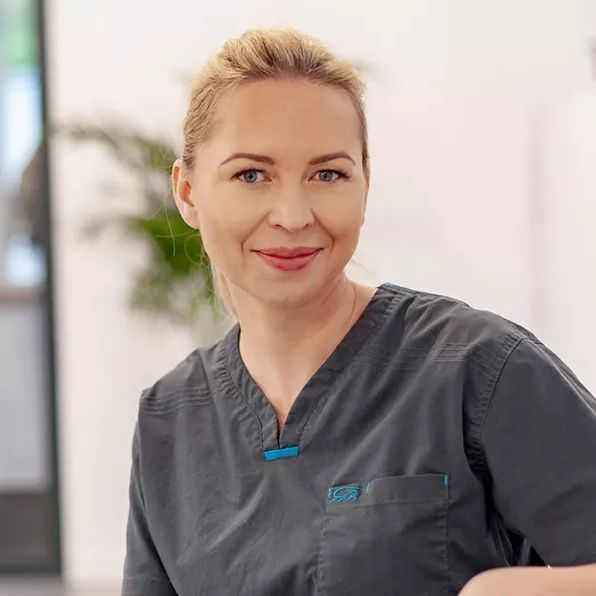
Dr Anna Cisło Pakuluk
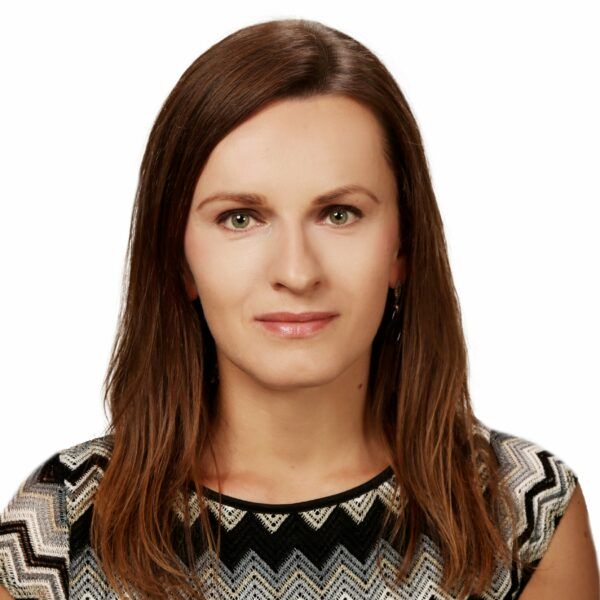
Dr hab. inż.
Izabela Michalak Prof. PWr
STRATEGIC PARTNERS
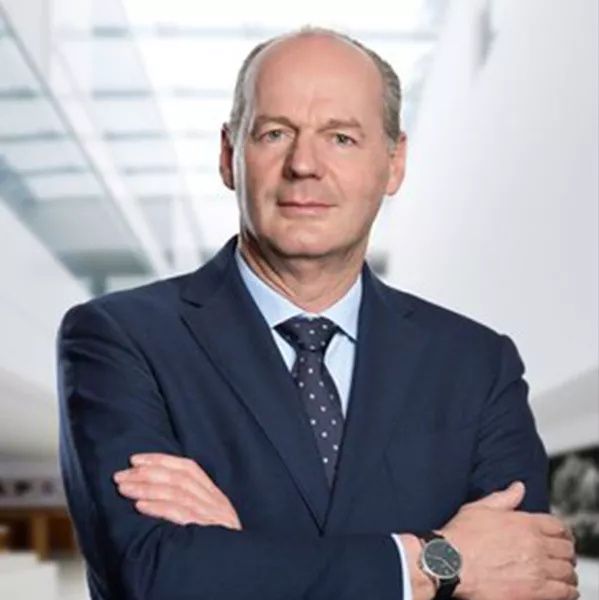
PROF. DR MICHAEL RÖCKEN
PROF. DR JEAN-MARIE NEDELEC
RESEARCH STAFF
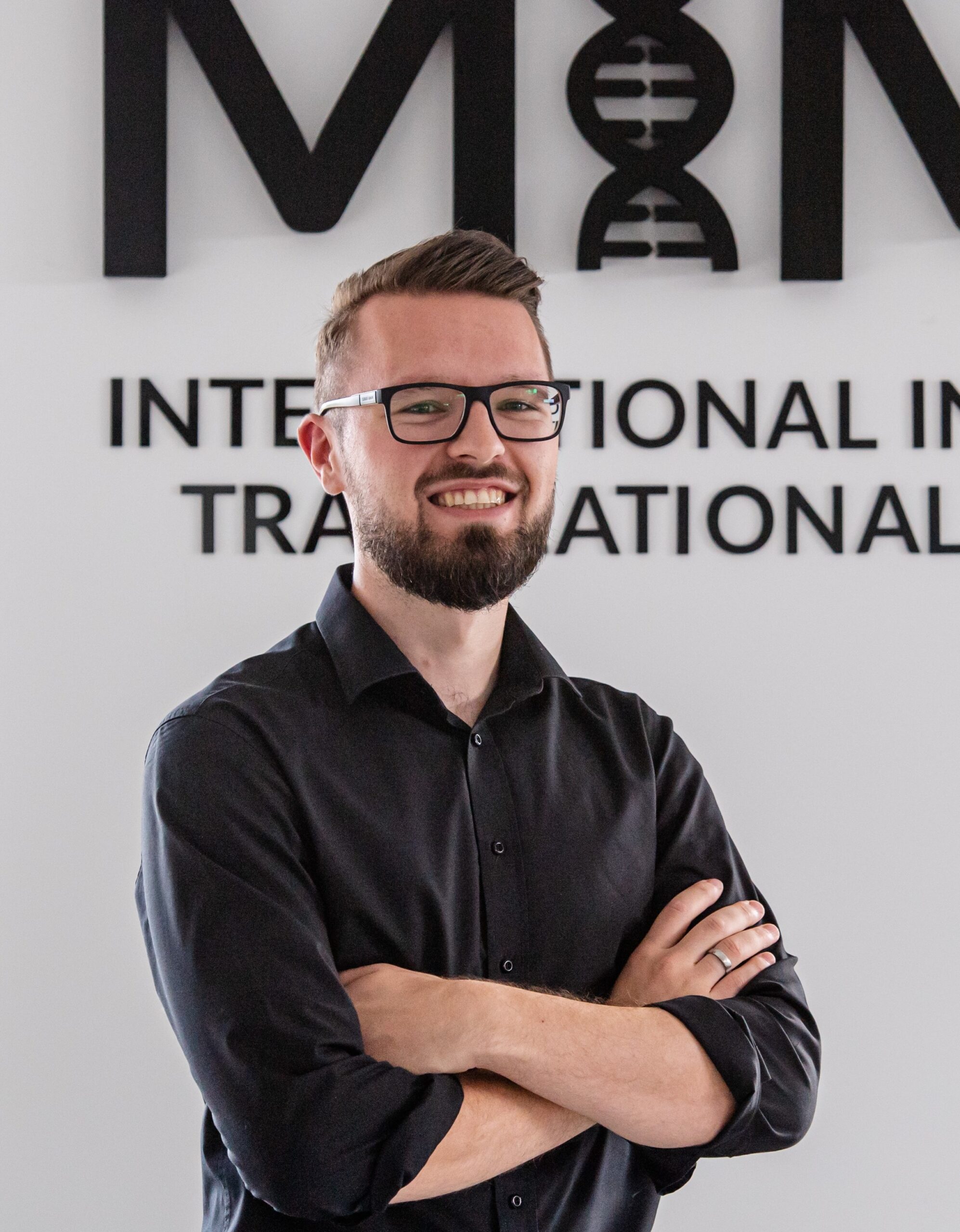
Mgr Artur Tomal
RESEARCH AND DEVELOPMENT SPECIALIST
PhD student in Molecular Biology at the University of Wrocław. His doctoral thesis is based on the science of plant mitochondria with particular emphasis on RNA metabolism.
He expanded his practical skills in the field of proteomics during an international internship at the Leibnitz University in Germany. In recent years, he has been employed in both academia and industry company as a research assistant and technologist, respectively.
During his studies, he gained extensive experience in the field of non-coding RNA, which allows him to develop an innovative microRNA technology for the treatment of animals at the Institute. At the International Institute of Translational Medicine, he works on microRNA delivery systems, he is also responsible for plant biotechnology research, in particular related to the use of microorganisms as potential inducers of crop yield.
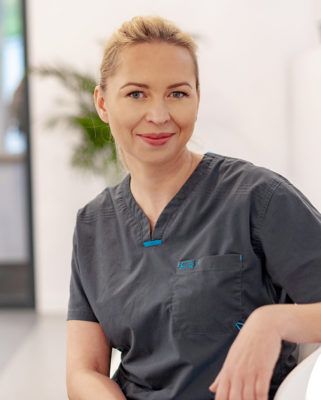
Dr Anna Cisło-Pakuluk
DIRECTOR FOR SMALL ANIMALS
A graduate of the Faculty of Veterinary Medicine in Wrocław. He has been dealing with eye diseases of dogs, cats and horses since 2005. During her studies, she completed numerous internships and internships, including as a scholarship holder at the University of Budapest and the University of Ludwik Maximilian in Munich, in one of the best centers of veterinary ophthalmology in Europe under the supervision of prof. H. Gerhards. After an internship at a horse hospital, she gained experience in the field of companion animal diseases in one of the largest clinics in Wrocław. Member of the European Society of Veterinary Ophthalmology, a longtime translator of ophthalmic publications for Elsevier, author of many articles in the trade press. He regularly participates in ESVO and ECVO conventions. He has completed a course in cataract surgery using the phacoemulsification method and cryosurgery. She completed the 1st degree course in ophthalmology in Luxembourg and the 2nd degree course in the field of ophthalmic surgery organized in Toulouse. Since 2016, he has additionally been involved in scientific work in the field of applying the latest achievements in regenerative medicine in the treatment of retinal diseases.
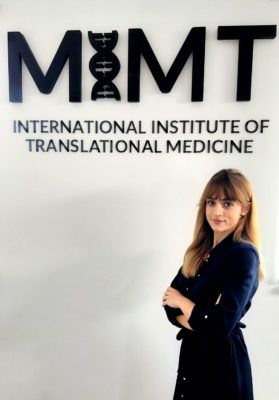
Mgr inż. Justyna Kornicka
A graduate of Molecular Biotechnology and Biocatalysis at the Faculty of Chemistry, Wrocław University of Technology. During her engineering studies, she dealt with the search for an alternative method of fighting pathogens and preventing the formation of bacterial infections and epidemic outbreaks. To this end, it synthesized bacterial serine protease inhibitors as a new therapeutic approach. During her master’s studies, under the supervision of the Director of the National Medicines Institute, she worked on the influence of cannabinoids derived from Cannabis sativa L. in the prevention of insulin resistance and type 2 diabetes. She is a certified specialist in R&D projects. She completed courses in business negotiations, obtaining EU funds and the “Digital Marketing Course” conducted by, among others, Rob Percival. For a year, he has been cooperating with biotechnology companies, the High-tech and IT industry, on obtaining EU funds in prestigious grants and competitions (EU funds, PFR, NCBiR). At the International Institute of Translational Medicine, he continues to study the therapeutic potential of cannabis-derived compounds on ASCs-Adipose-derived stem cells. She is also responsible for the development of innovation, contact with partners and for establishing cooperation.
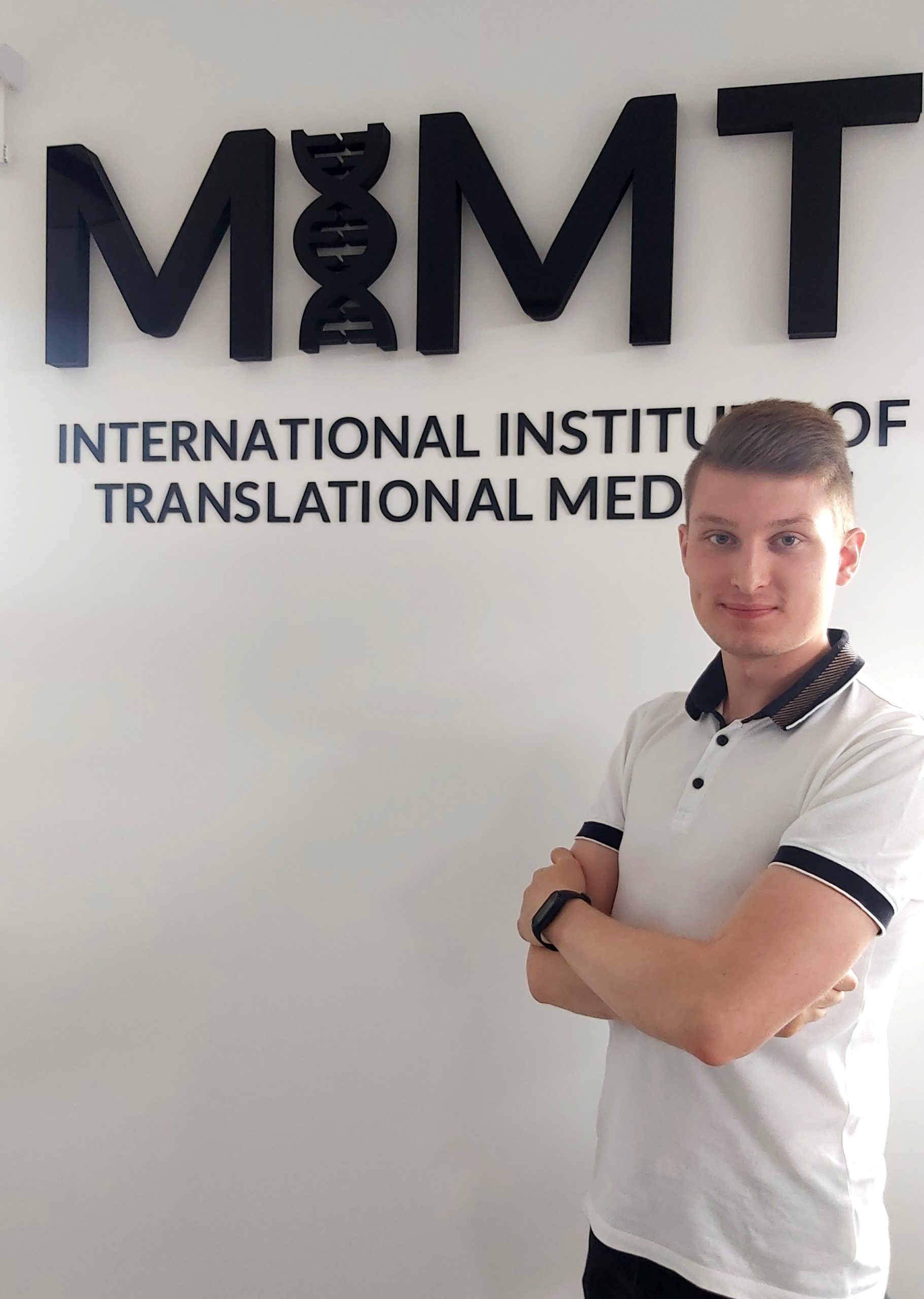
Mgr Inż. Piotr Rudnicki
Implementation graduate student at the University of Life Sciences in Wrocław in the field of Laboratory Techniques in Biology. Rector’s scholarship holder for outstanding academic results and outstanding scientific achievements. During his first-cycle studies at the Department of Experimental Biology, he participated in research projects on the search for new methods of treating insulin resistance in horses suffering from metabolic syndrome (EMS). Laureate of prestigious scientific competitions, including “Young Minds – Young Minds Project”. At the International Institute of Translational Medicine, he deals with the development of an innovative cyclosporin A (CsA) subdural implant and research on the regenerative properties of CSSCs stem cells isolated from the cornea of dogs.
OUR PUBLICATIONS

1) Al Naem M., Bourebaba L., Kucharczyk K., Röcken M., Marycz K. 2019. Therapeutic mesenchymal stromal stem cells: Isolation, characterization and role in equine regenerative medicine and metabolic disorders. Stem Cell Rep Rev. Doi: 10.1007/s12015-019-09932-0.
2) Marycz K., Kosarzewska-Szłapka J., Geburek F., Kornicka-Garbowska K. 2019. Systemic Administration of Rejuvenated Adipose-Derived Mesenchymal Stem Cells Improves Liver Metabolism in Equine Metabolic Syndrome (EMS)- New Approach in Veterinary Regenerative Medicine. Stem Cell Rev and Rep. Doi: 10.1007/s12015-019-09913-3
3) Alicka M., Kornicka-Garbowska K., Röcken M., Marycz K. 2019. Inhibition of the Low Molecular Weight Protein Tyrosine Phosphatase (LMPTP) as a Potential Therapeutic Strategy for Hepatic Progenitor Cells Lipotoxicity-Short Communication. Int. J. Mol. Sci. 20(23), 5873. Doi:10.3390/ijms20235873
4) Bourebaba L., Marycz K. 2019. Pathophysiological Implication of Fetuin-A Glycoprotein in the Development of Metabolic Disorders: A Concise Review. J. Clin. Med.8(12), 2033. Doi: 10.3390/jcm8122033
5) Alicka M., Major P., Wysocki M., Marycz K. 2019. Adipose-Derived Mesenchymal Stem Cells Isolated from Patients with Type 2 Diabetes Show Reduced “Stemness” through an Altered Secretome Profile, Impaired Anti-Oxidative Protection, and Mitochondrial Dynamics Deterioration. J. Clin. Med. 8, 765. Doi: 10.3390/jcm8060765.
6) Kornicka-Garbowska K., Geburek F., Röcken M., Marycz K. 2019. Stem Cells in Equine Veterinary Practice—Current Trends, Risks, and Perspectives. J. Clin. Med. 8, 675. Doi: 10.3390/jcm8050675.
7) Kornicka-Garbowska K., Al Naem M., Röcken M., Zmiertka M., Marycz K. 2019. Osteochondritis Dissecans (OCD)-Derived Chondrocytes Display Increased Senescence, Oxidative Stress, Chaperone-Mediated Autophagy and, in Co-Culture with Adipose-Derived Stem Cells (ASCs), Enhanced Expression of MMP-13. J. Clin. Med. 8(3), 328. Doi: 10.3390/jcm8030328
8) Watras A., Wujczyk M., Röcken M., Kucharczyk K., Marycz K., Wiglusz R.J. 2019. Investigation of Pyrophosphates KYP2O7Co-Doped with Lanthanide Ions Useful for Theranostics. Nanomaterials, 9(11), 1597. Doi:10.3390/nano9111597.
9) Bourebaba L., Bedjou F., Röcken M., Marycz K. 2019. Nortropane alkaloids as pharmacological chaperones in the rescue of equine adipose-derived mesenchymal stromal stem cells affected by metabolic syndrome through mitochondrial potentiation, endoplasmic reticulum stress mitigation and insulin resistance alleviation. Stem Cell Res Ther. 10, 178. Doi: 10.1186/s13287-019-1292-z.
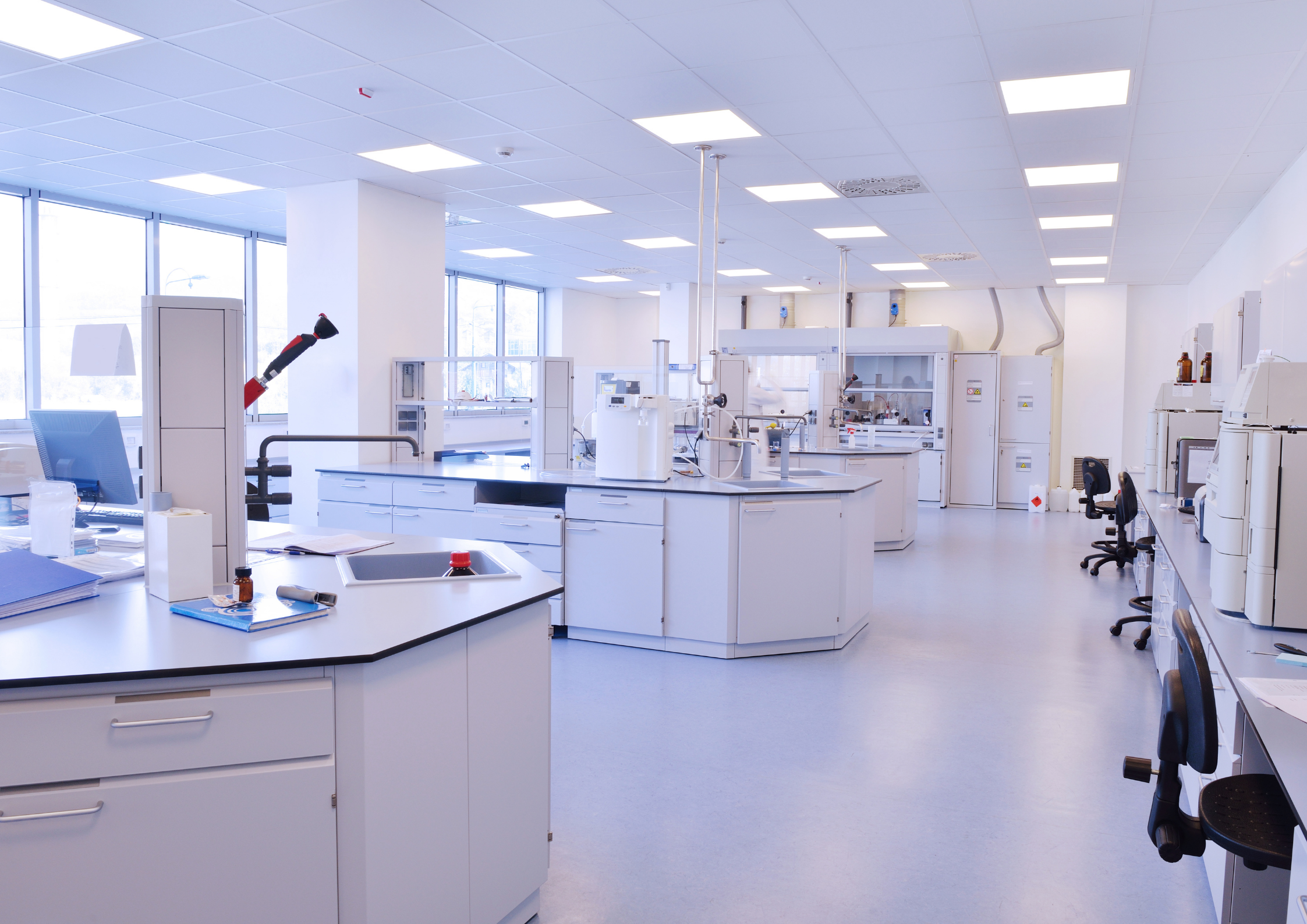
RESEARCH FACILITIES
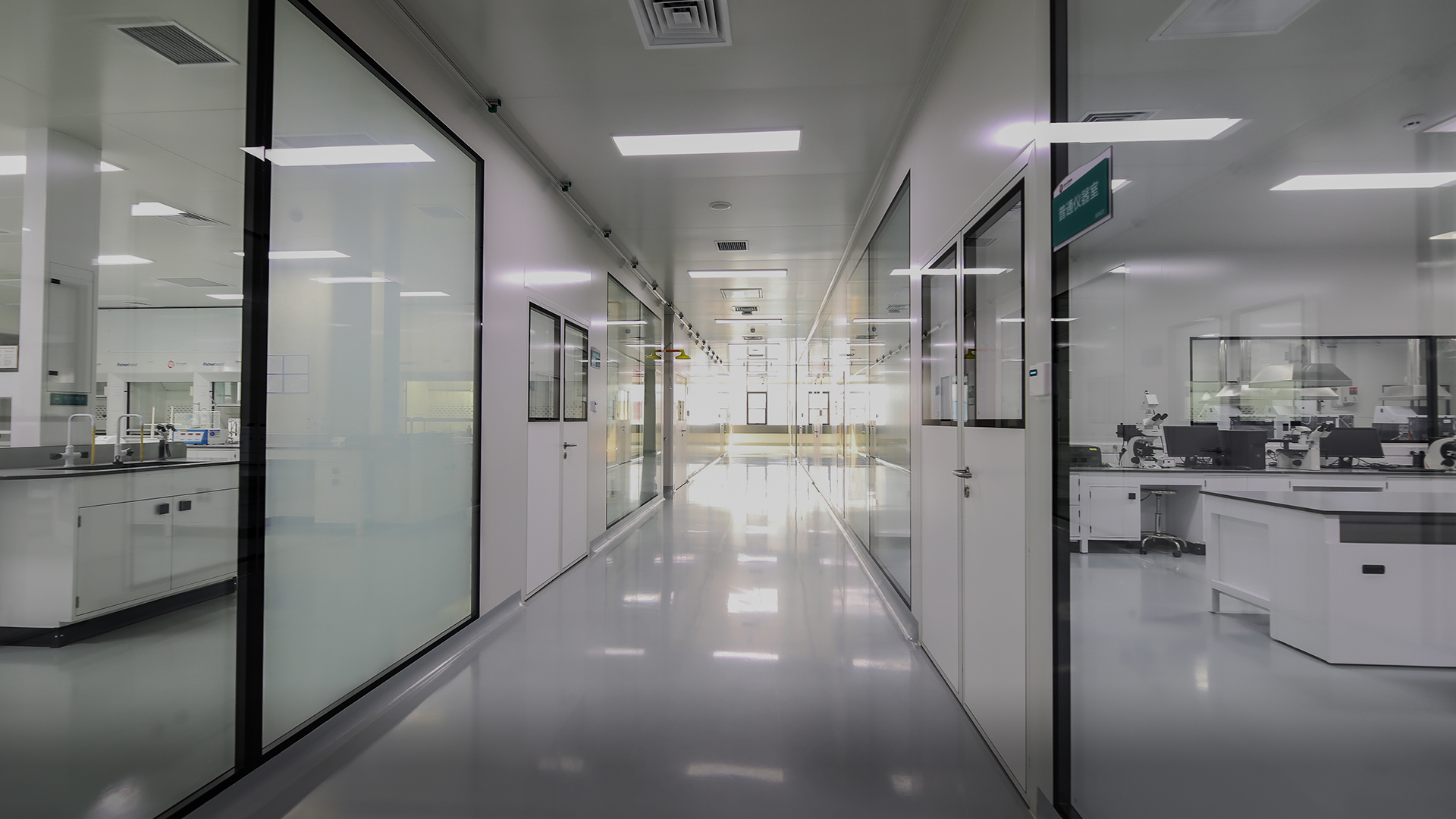
The Institute has specialized laboratories for molecular biology, cell culture as well as microbiological and prototype laboratories. All rooms are equipped with the highest quality equipment, enabling research in the field of biology and biotechnological processes.
ADMINISTRATION
The efficient functioning of the Institute is supervised by specialized administrative staff, which includes: legal counselor, accounting and administrative employee.